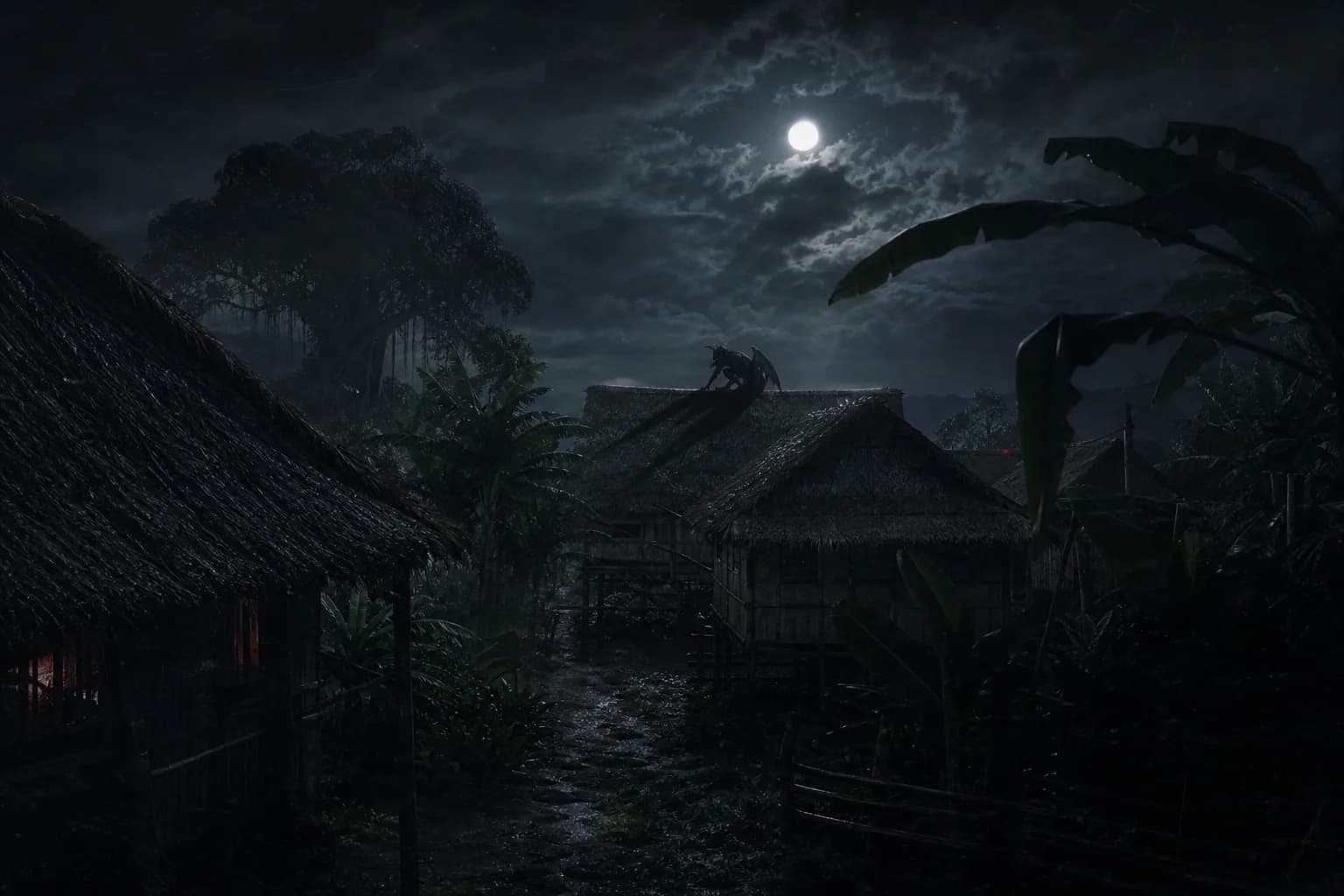

I walk my dog on Mount Royal late, usually up Camillien-Houde Way after the traffic dies, because my shepherd mix Biscuit is reactive and empty roads are easier for her. We've done this route two hundred times. I know its foxes, its raccoons, and every off-leash husky in the neighborhood.
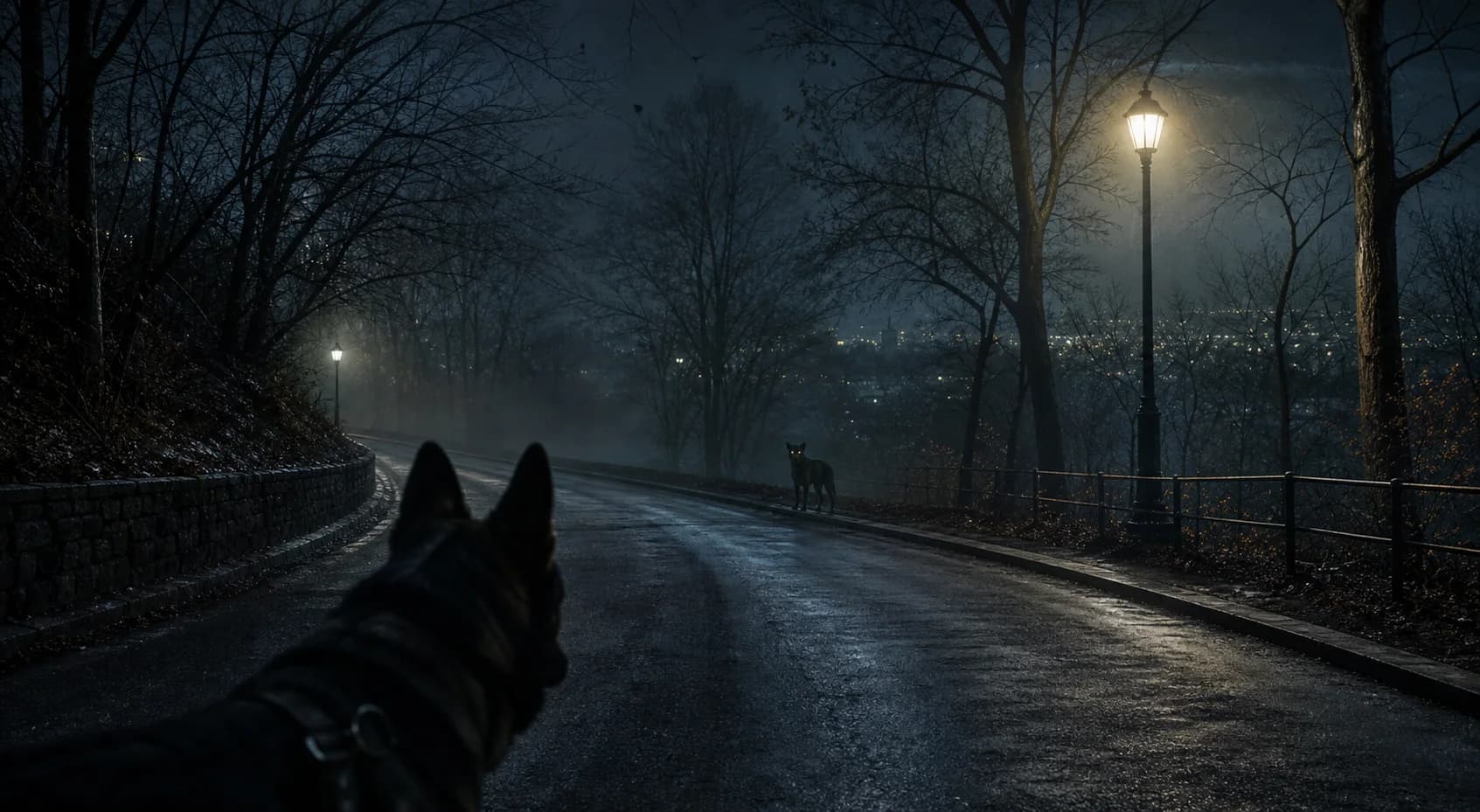
First week of December, around 11:30 p.m., light snow. Biscuit stopped mid-stride — full point, one paw up — at the lookout parking lot. Standing at the tree line, maybe thirty meters off, was what I took for the biggest coyote I'd ever seen, except the proportions were wrong. Front-heavy, high shoulders, like the front half belonged to a bigger animal than the back half. Coyotes trot away when they see Biscuit. This thing sat down. Deliberately, like a man settling into a chair, and looked at us.
I grew up in Lanaudière with a grandfather who told loup-garou stories at every réveillon, so I want to be honest about the contamination: the phrase 'human eyes' was available in my head…
Continue readingHide remaining accountAbout 1 min remaining
I grew up in Lanaudière with a grandfather who told loup-garou stories at every réveillon, so I want to be honest about the contamination: the phrase 'human eyes' was available in my head long before that night. But I'm telling you what I saw in the headlights of the one car that passed: the eyeshine was wrong. Dogs and coyotes flash green-gold. These came back flat and dark, the way a person's eyes catch light across a room — which is to say barely, which is to say NOT LIKE AN ANIMAL.
Biscuit — who has started fights with snowplows — backed against my legs and made a sound I'd never heard from her, low and continuous. The thing stood up on four legs, took two steps parallel to us with a stiff, rolling gait like it was managing a body it didn't like, and went into the trees toward the cemetery side.
My grandfather's stories all ended the same way: someone bleeds it with a knife or a key, it becomes a neighbor, and nobody ever talks about it again. I did not go bleed it. I took my dog home, and I'm talking about it here instead — because after forty years of his stories I finally understand why the old men told them quietly.